


 Contact us

Our take on some challenges to the viability and future of humanitarian aid in West Africa in a less liberal world order.
Jul 19, 2024 · Issaka OUEDRAOGO
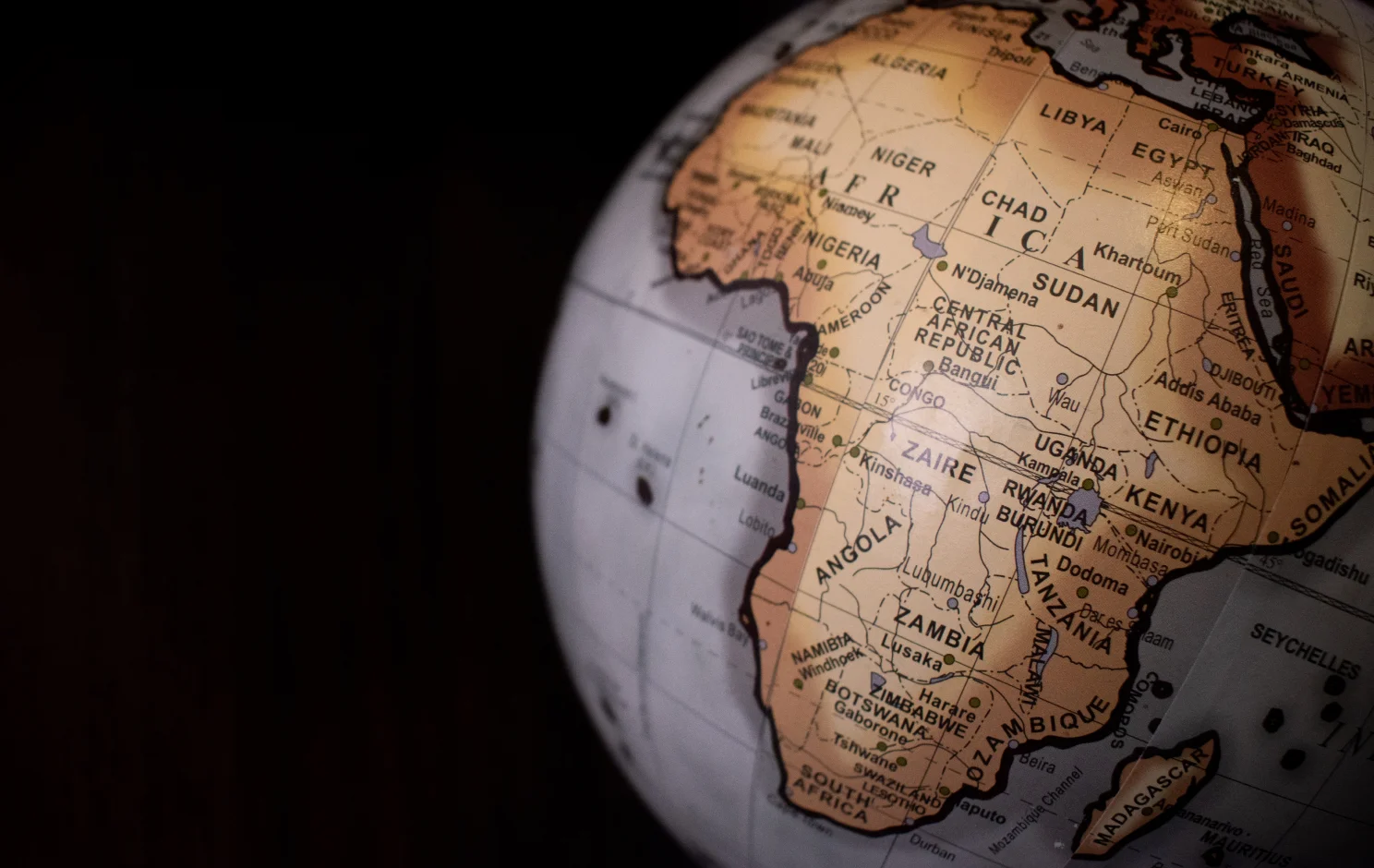
This morning, I had the opportunity to listen to a thought-provoking discussion between Dr Simon Western and and Professor Michael Barnett on the Edgy Ideas podcast of the Eco-Leadership Institute. My friend Sandra Tettamanti, an experienced humanitarian professional and thinker, brought this episode to my attention by reposting it on her page. The conversation shed light on the complex politics and power dynamics in aid and humanitarianism, particularly in Africa. I gained insights into how the current framing and processes of development and humanitarian intervention can unexpectedly trigger resentment from receiving communities and states, despite the aid providers' best intentions. This analytical framework could also be useful in understanding some drivers of the rising anti-western sentiment and neo-nationalistic politics in central Sahel states like Burkina Faso and Mali. These countries have been experiencing one of the largest security and humanitarian crises globally for the last decade. Recent military takeovers in Burkina Faso and Mali, replacing civilian regimes unable to contain jihadist insurrections, have resulted in transitional governments vocal against foreign influence, mainly from western partners. Consequently, UN peacekeeping missions and foreign development and humanitarian aid programs face increasing acceptance challenges, not only in Mali and Burkina Faso but also in the Central African Republic and the Democratic Republic of the Congo. For example, in November 2022, when the French government suspended development aid to Mali, citing the presence of the controversial Russian paramilitary Wagner Group, French and French-funded NGOs were shortly banned, leading many aid providers to suspend their operations in the country. Similarly, in December 2022, Burkina Faso ordered the UN's coordinator to leave, citing a long list of recriminations ranging from attempts to discredit and tarnish the country's image to interfering in its political affairs.Despite the tense political situation, millions of internally displaced populations remain in dire humanitarian need in the Sahel. Aid providers navigate these challenges while trying to do their work. Therefore, critical perspectives on past and present development and humanitarian assistance are essential to optimize its impact and acceptability by local populations and defiant elites in the crisis-ridden region. The podcast episode with Prof. Michael Barnett sparked my interest in current thinking on the viability and future of humanitarian aid in West Africa. Thus, I look forward to reading his upcoming book on "Humanitarianism in a Post-Liberal Age." It should provide valuable insights for stakeholders in the aid sector who struggle to articulate sustainable and locally acceptable forms of humanitarian action in less liberal contexts like the Sahel region.
