


 Contact us


The Dispatch | Sahel | AES - Russia
Sep 1, 2025 · Ervan OUEDRAOGO
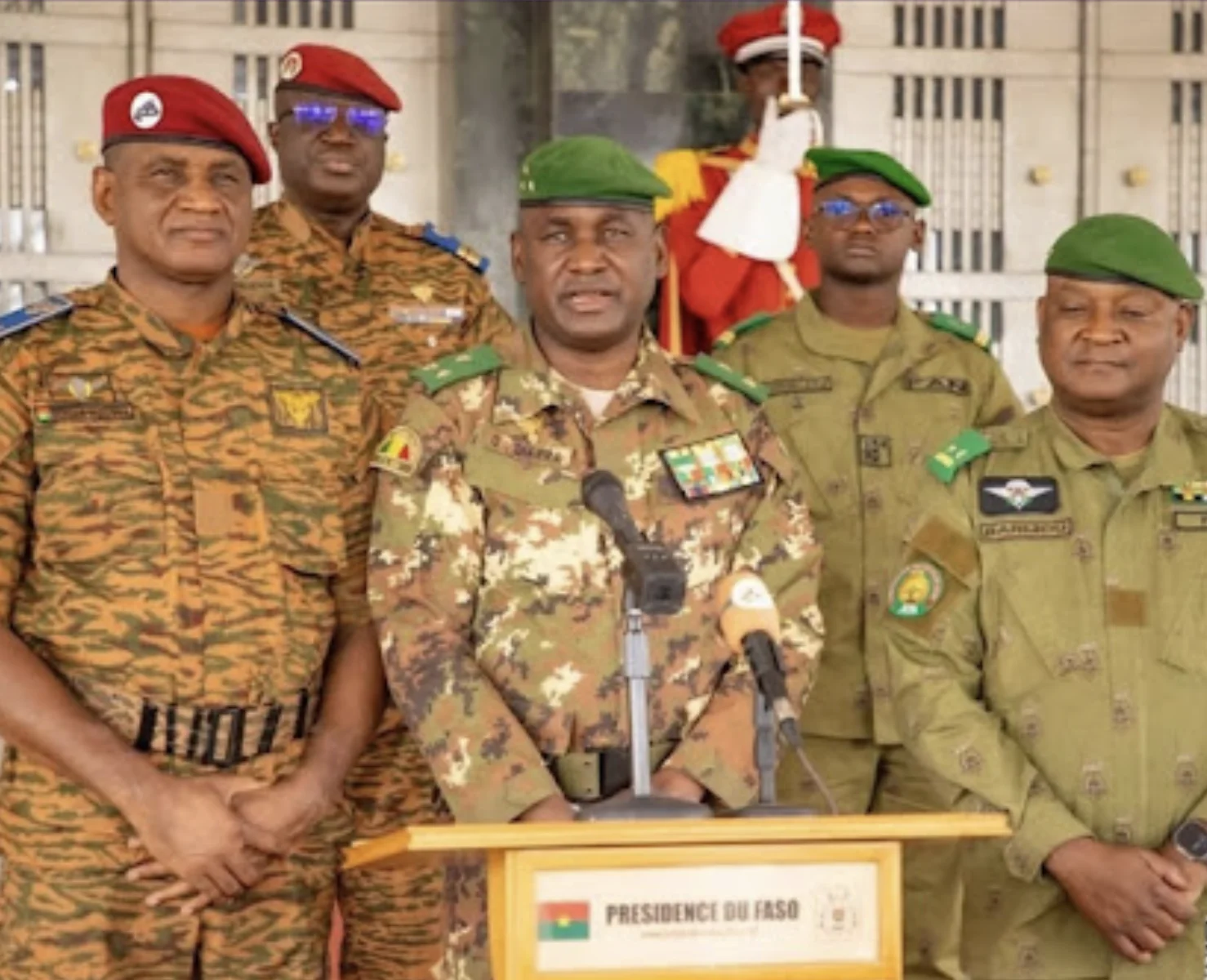
The establishment of the integrated AES headquarters in Niamey at the end of July 2025 strategically coincides with the meeting of Defense Ministers in Moscow on August 14, highlighting coordination between military operationalization procedures and collaboration with Russia. The memorandums of understanding signed after this meeting have not been made public. However, based on the Russian communiqué from the previous meeting in May, they likely involve the acquisition of military equipment, the training of Sahelian officers in Russian academies, and technical assistance for the modernization of integrated command systems. These memorandums directly support the operational deployment of the AES joint force. This Russian support also includes intelligence sharing on cross-border terrorist movements, the provision of standardized armaments, and secure communication systems compatible among the three national armies. The Foreign Ministers of the AES Confederation and the Russian Federation have agreed to “institutionalize these Consultations. ” The sessions will be held annually on an alternating basis. The second session will take place in the AES Confederation, on a date to be mutually agreed upon through diplomatic channels.
In 2025, the Sahelian conflict followed a cycle of insurgent offensives followed by military counter- operations by the AES armies. The jihadists have demonstrated their ability to strike repeatedly, subsequently causing reactive deployments of security forces often with the aid of drones. However, these efforts have not decisively reversed the dynamics of the conflict. At this stage, the contribution of the AES joint force to anti-terrorism operations is not publicly visible. The first indications of joint AES military operations were given by the Nigerien President in May 2025 during a televised interview. He stated that: “3 successful operations have been conducted within the confederal space by the joint force of the Alliance of Sahel States since its creation. ” Otherwise, public mentions remain rare and sparse regarding the actions of this force. No joint operation has yet been officially claimed or corroborated in 2025, suggesting that the current phase is mostly limited, focused on the tri-border area of Mali-Niger-Burkina. At this stage, it appears that the AES is mainly testing the interoperability of its unified command centers, intelligence sharing, and coordinated use of drones before making a more visible deployment of ground forces in large-scale operations. In this regard, the military impact of the AES on the stabilization of the Sahel in the next six months is estimated to be negligible.
